Concussion Recovery: Proven Treatment Strategies for Healing and Return to Activity
Introduction: Shifting Paradigms in Concussion Care
The understanding of concussion, once a topic often relegated to simple "rest and wait," has undergone a significant transformation. Modern medicine now recognizes the complex nature of this brain injury and emphasizes proactive, evidence-based strategies for optimal healing and a safe return to life's activities. This article delves into proven treatment approaches, moving beyond outdated notions to empower individuals on their journey to recovery. Understanding your concussion and adhering to guided protocols are crucial for restoring full function and well-being.
What is a Concussion (Mild Traumatic Brain Injury)?
A concussion, often classified as a mild traumatic brain injury (MTBI), is a functional disturbance of the brain rather than a structural one. It occurs when the brain is jolted or shaken inside the skull, typically due to a blow to the head or a violent shaking of the body. This sudden movement causes the brain to rapidly move back and forth, stretching and damaging brain cells and triggering chemical changes within the brain. While often associated with sports, concussions can happen in any scenario involving a head injury. It's vital to distinguish a concussion from more severe forms of traumatic brain injury (TBI), which may involve bleeding or bruising of the brain tissue.
Beyond "Rest in a Dark Room": The Modern Approach to Recovery
The traditional advice of complete, prolonged rest in a dark, quiet room is now largely considered outdated and potentially counterproductive. While an initial period of reduced cognitive and physical activity is beneficial, prolonged inactivity can hinder neuroplasticity and delay recovery. The modern approach prioritizes a carefully managed, graded return to activities, guided by symptom response. This active rehabilitation model is supported by organizations like the Centers for Disease Control and Prevention (CDC) and is crucial for facilitating the brain's healing processes.
Setting the Stage: Why Proven Strategies Matter for Healing and Return to Activity
Adopting proven treatment strategies is paramount for several reasons. They are designed to support the brain's natural healing mechanisms, mitigate the risk of prolonged symptoms or secondary injury, and ensure a safe and efficient return to daily life. Without a structured, evidence-based approach, individuals may experience persistent symptoms, struggle with cognitive tasks, or face complications. Proven strategies provide a roadmap for navigating the complexities of concussion recovery, empowering both the individual and their healthcare team.
Understanding Your Concussion: Symptoms and Initial Assessment
Recognizing Common Concussion Symptoms
The symptoms of a concussion can be diverse and may not appear immediately after the head injury. They typically fall into four categories: cognitive (difficulty thinking clearly, remembering new information), physical (headaches, nausea, dizziness, sensitivity to light or noise), emotional (irritability, sadness, nervousness), and sleep-related (sleeping more or less than usual, difficulty falling asleep). Headaches are a particularly common and often persistent symptom.
The Critical First Step: Immediate Medical Evaluation
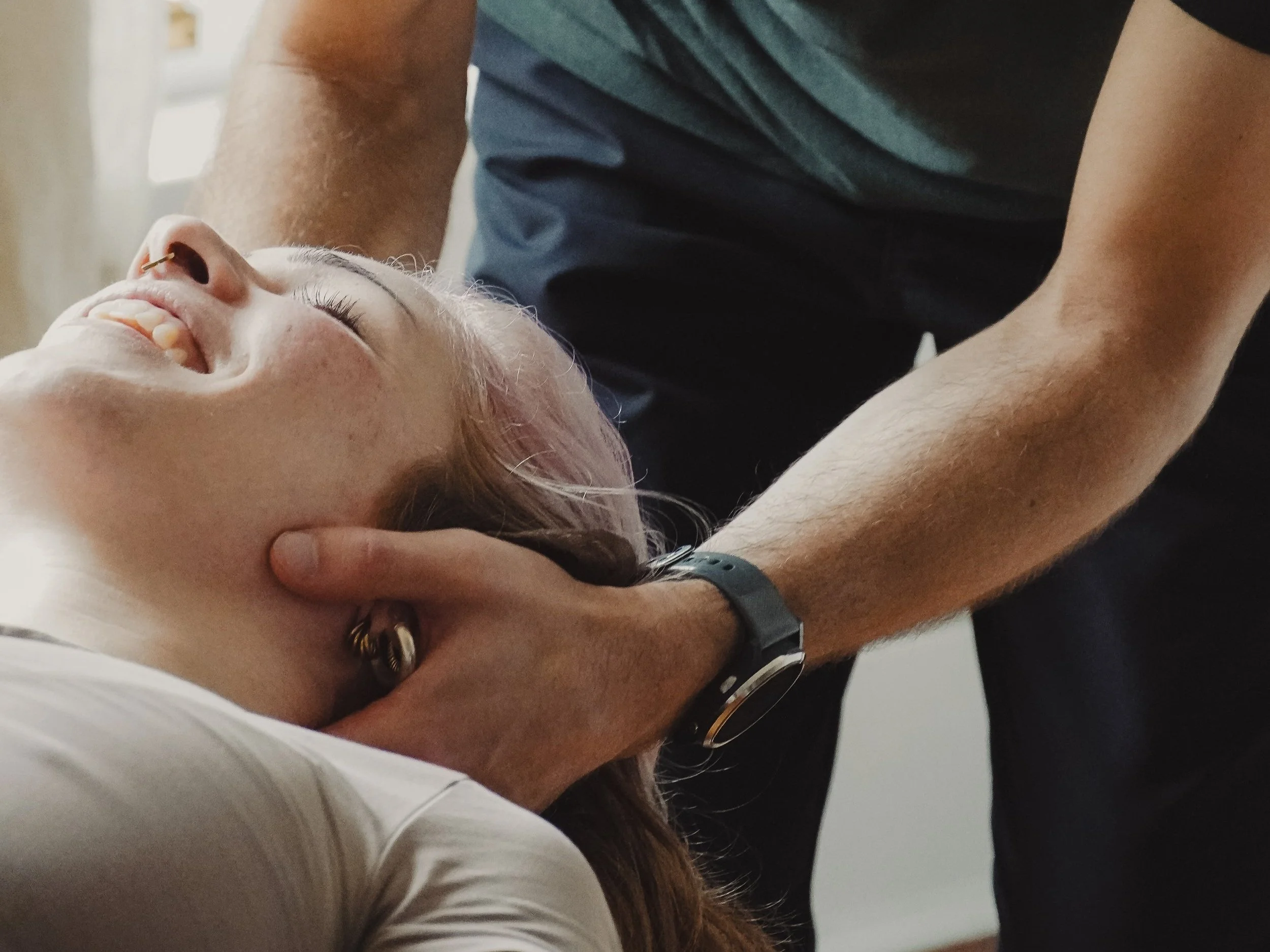
Any suspected head injury should be evaluated by a healthcare provider. This initial assessment is critical to confirm the diagnosis of a concussion, rule out more serious injuries, and establish a baseline for recovery. A healthcare professional will ask about the mechanism of injury, review your symptoms, and perform neurological and cognitive tests. Prompt medical attention is essential to ensure appropriate management from the outset.
Diagnostic Tools: What Imaging Can (and Can't) Tell Us
For a typical concussion, imaging techniques like CT scans and MRIs are often not necessary because they primarily detect structural damage (like bleeding or fractures) and usually appear normal in cases of mild traumatic brain injury. However, a healthcare provider may order these scans if there are concerns about more severe brain injury, such as persistent or worsening neurological symptoms, or if the injury mechanism suggests a higher risk. They serve to exclude other conditions rather than diagnose the concussion itself.
Foundational Principles of Effective Concussion Recovery
The Importance of Relative Rest and Graded Activity
Following a concussion, a brief period of relative rest (24-48 hours) is recommended, meaning reducing demanding physical and cognitive activities. However, prolonged complete rest is not advised. Instead, a gradual, symptom-limited return to daily activities, including light physical activities, is encouraged. This means engaging in activities as long as they don't worsen symptoms.
Preventing Second-Impact Syndrome: Why Gradual Return is Non-Negotiable

A critical aspect of concussion recovery is preventing second-impact syndrome, a rare but potentially fatal condition where a second head injury occurs before the brain has healed from the first. This underscores the non-negotiable need for a gradual return to activities, especially physical activities and sports, only after clearance from a healthcare professional.
Prioritizing Symptom Management for Optimal Healing
Effectively managing concussion symptoms, such as headaches, dizziness, and cognitive fog, is fundamental to the healing process. This often involves a combination of rest when needed, pacing activities, and employing specific therapies. Ignoring or pushing through symptoms can impede recovery.
Deep Dive into Proven Treatment Strategies for Healing
Active Rehabilitation: The Cornerstone of Modern Concussion Care
Active rehabilitation is a cornerstone of contemporary concussion management. This includes tailored programs like vestibular rehabilitation to address dizziness and balance issues, vision therapy for visual disturbances, and graded exercise therapy (GET). GET involves a progressive increase in aerobic activity that can help resolve symptoms and improve brain function.
Cognitive Rehabilitation and Mental Stimulation
Cognitive rehabilitation focuses on restoring cognitive functions affected by the brain injury. Strategies may include exercises to improve memory, attention, and executive functions. A gradual reintroduction to cognitively demanding tasks, like reading, screen time, and problem-solving, is key, with adjustments made based on symptom response.
Pharmacological and Symptomatic Management
In some cases, medication may be prescribed by a healthcare professional to manage specific symptoms like persistent headaches, sleep disturbances, or nausea. These treatments are symptomatic, aiming to alleviate discomfort and improve quality of life, thereby facilitating the overall recovery process.
Nutritional Support for Brain Healing
Proper nutrition plays a vital role in brain health and recovery. A balanced diet rich in antioxidants, omega-3 fatty acids, and essential vitamins and minerals can support brain cell repair and reduce inflammation. Adequate hydration is also critical for optimal brain function.
The Integrated Approach: Mental Health and Concussion Recovery
Recognizing and Addressing Psychological Distress
It is common for individuals experiencing a concussion to develop psychological distress. The frustration of symptoms, changes in lifestyle, and uncertainty about recovery can contribute to emotional challenges. Recognizing these signs is the first step toward managing them.
Managing Depressive Symptoms and Anxiety Disorders Post-Concussion
The interplay between brain injury and mental health is significant. Post-concussion recovery often requires addressing symptoms of depression and anxiety through therapeutic interventions, coping strategies, and, if necessary, medication.
The Role of Counseling and Sport Psychology
Counseling and therapy, including sport psychology for athletes, can provide essential support. These professionals help individuals develop coping mechanisms, manage emotional responses, and build resilience throughout the recovery process.
Building a Strong Support System: Family and Friends
The support of family and friends is invaluable. Open communication about needs, understanding the recovery process, and providing encouragement can significantly impact an individual's emotional well-being and motivation.
Comprehensive Return to Activity Protocols
General Principles for a Graduated Return
A graduated return to activity protocol involves a step-by-step progression through increasing levels of physical and cognitive exertion. Each stage is contingent on remaining symptom-free. This approach is universally applied across different life domains.
Return to School: Navigating Academic Demands and Accommodations
Returning to school requires careful planning. This may involve reduced class schedules, extra time for assignments, and a quiet space for rest. Close communication between the student, parents, educators, and healthcare providers is essential.
Return to Work: Phased Strategies for Cognitive and Physical Workloads
Similar to school, returning to work should be gradual. This might start with part-time hours and modified duties, progressively increasing as tolerance allows. Employers and healthcare professionals collaborate to ensure a safe reintegration.
Graduated Return to Sport (RTS) Protocol: A Step-by-Step Approach for Athletes
For athletes, a structured RTS protocol is critical. This typically involves several stages, starting with light aerobic activity and progressing through sport-specific drills, non-contact practice, and finally, full-contact practice and competition, all under medical supervision. Clearance by a healthcare professional is mandatory before full return.
Social Reintegration: Reconnecting with Life Beyond Recovery
Beyond academic and occupational demands, reconnecting with social activities is an important part of full recovery. Gradual re-engagement with friends and social events helps restore a sense of normalcy and well-being.
When Recovery Isn't Linear: Understanding Post-Concussion Syndrome (PCS)
Recognizing and Managing Persistent Symptoms
While most concussions resolve within weeks, some individuals experience prolonged symptoms, a condition known as post-concussion syndrome (PCS). This can include persistent headaches, dizziness, cognitive difficulties, and emotional changes that last for months or longer.
The Importance of Interdisciplinary Care
Managing PCS often requires an interdisciplinary approach involving various healthcare professionals. This team collaborates to provide comprehensive assessment and treatment tailored to the individual's persistent symptoms and needs, ensuring a path toward improved function.
Conclusion
Concussion recovery is a dynamic process that demands a personalized, evidence-based approach. Moving beyond outdated rest protocols, modern strategies emphasize active rehabilitation, symptom management, and a carefully guided, graduated return to all aspects of life. By understanding the injury, recognizing symptoms, and partnering with healthcare providers, individuals can navigate their recovery journey effectively. Whether returning to school, work, or sports, adhering to proven treatment strategies offers the best path toward healing, resilience, and a full return to activity. Consistent communication with your healthcare team and a proactive mindset are your most powerful allies.