The Best Mobility Aids for Seniors: A Complete Guide to Independent Living
Aging is an inevitable chapter of life, yet the way we navigate it remains a choice. For many seniors, the onset of mobility challenges can feel like the beginning of a withdrawal from the world, a gradual retreat from the activities that define a fulfilling life. However, modern assistive technology is fundamentally changing this narrative. By embracing the right tools, older adults can transform potential limitations into opportunities for sustained independence. This guide is designed to move beyond the fear-based rhetoric often associated with aging, instead framing mobility aids as essential instruments of empowerment—an Assistive Bridge for Living Empowered (ABLE).
Redefining Aging in Place: Why Mobility Aids Matter
Shifting the Perspective: Mobility Aids as Tools for Empowerment
The traditional view of mobility aids often centers on vulnerability, framing them as symbols of decline. We must shift this perspective. When a senior utilizes a walker or a cane, they are not signaling defeat; they are investing in their own autonomy. These devices act as force multipliers, allowing individuals to navigate their environments with confidence. By delegating the physical burden of support to a well-designed tool, users reclaim the energy needed to engage in the activities that truly matter.
The Impact of Improved Movement on Mental Health and Social Engagement
Physical movement is inextricably linked to cognitive and emotional well-being. According to data from health organizations, seniors who maintain mobility report lower levels of social isolation and depression. When movement is easy, the threshold for participating in social gatherings, visiting friends, or walking through a local park drops significantly. Mobility aids remove the "friction" of daily travel, ensuring that the physical effort of moving does not become a barrier to the joys of social connection.
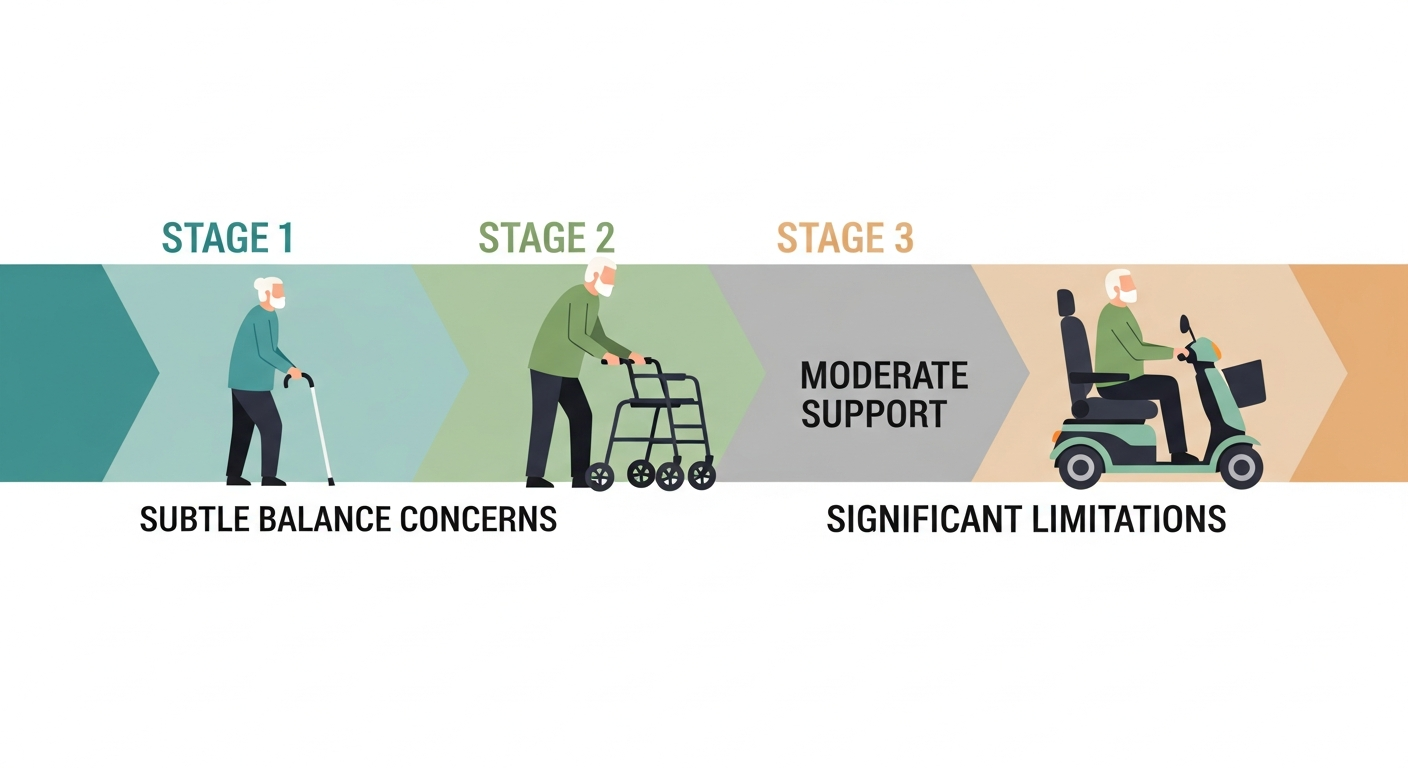
The progression of mobility needs: Proactively adapting to physical changes with the appropriate assistive devices ensures sustained independence.
Aging is rarely static. Mobility needs often progress from subtle balance concerns to more significant physical limitations. Recognizing this progression allows seniors and their families to plan ahead rather than reacting to a crisis. By proactively integrating assistive devices into daily life—starting perhaps with a simple cane—users can adapt gradually, maintaining their quality of life as their physiological requirements evolve.
The Mobility Audit: Assessing Your Current Needs
Identifying Challenges with Activities of Daily Living (ADLs)
To determine the right support, one must first audit their performance during ADLs, such as bathing, dressing, and moving around the home. If a senior finds themselves clinging to furniture or avoiding certain rooms, these are clear indicators that their current environment or physical state requires intervention. Understanding these specific friction points allows for the selection of tools that address the root cause of the limitation.
Recognizing Red Flags: Balance Issues, Dizziness, and Near-Falls
Falls are the leading cause of injury among seniors, and they rarely occur without warning signs. Near-falls, recurring dizziness, or a noticeable change in gait are critical red flags. Ignoring these signals invites injury, whereas addressing them with a professional evaluation can prevent a life-altering accident. These signs should be treated as actionable data points that necessitate a conversation with a healthcare provider.
Instrumental Activities of Daily Living (IADLs) and Community Access
While ADLs cover basic self-care, IADLs—such as shopping, managing household chores, and navigating public spaces—are the markers of independent living. Mobility challenges often manifest most prominently here. A senior might feel safe in their home but hesitant to navigate a grocery store. Recognizing that IADLs require a higher degree of stability and energy management is vital for selecting a mobility aid that facilitates community participation.
The Importance of a Physical Exam and Professional Consultation
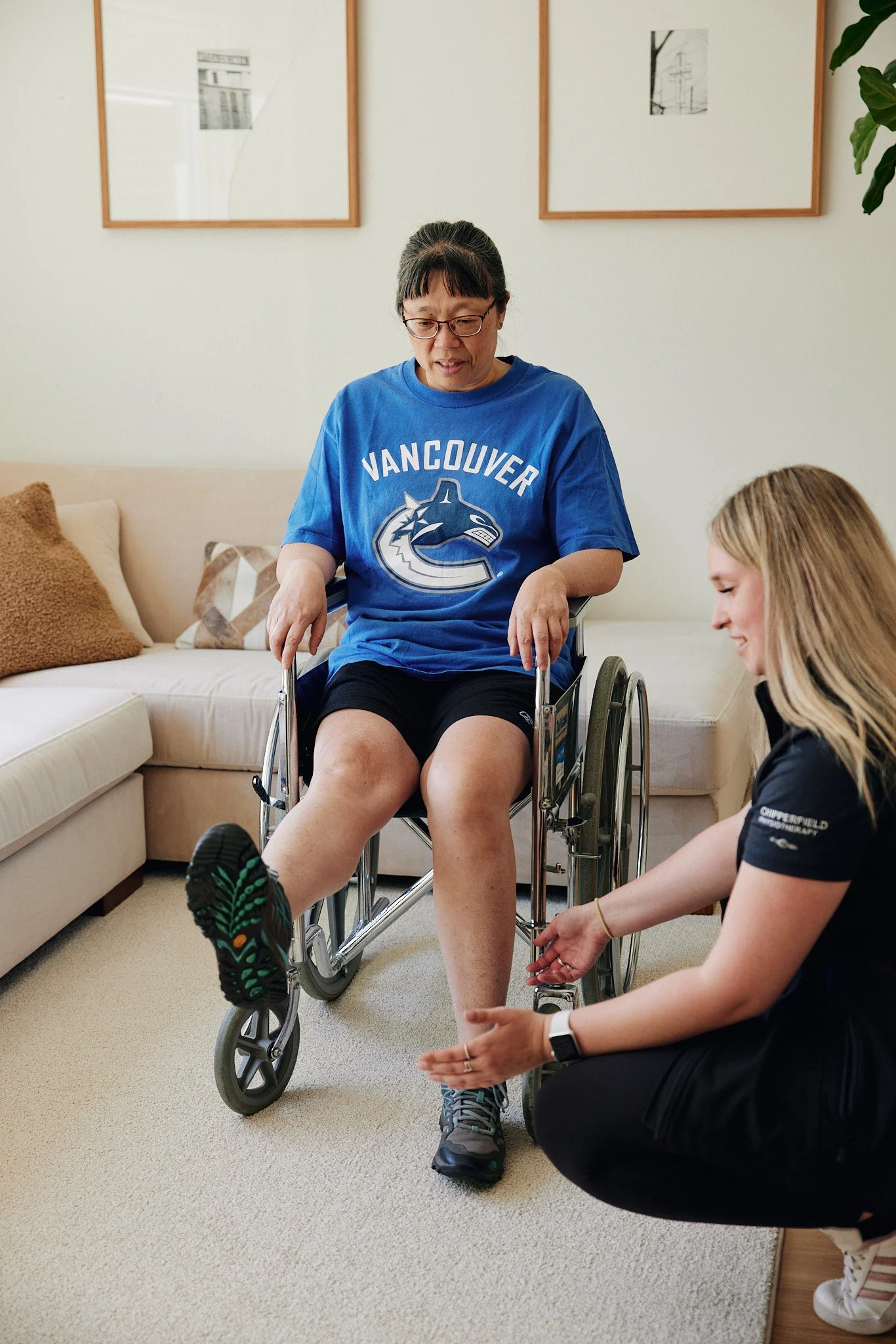
Before purchasing any device, a consultation with a physical therapist or an Assistive Technology Professional (ATP) is essential. These experts assess gait, strength, and spatial awareness to recommend the exact equipment needed. A device that is not properly fitted can cause more harm than good, creating new aches or risks. A professional fitting process ensures the user can maximize the aid’s benefits while minimizing the risk of secondary injuries.
Manual Walking Aids: Stability for Early Intervention
Canes and Walking Sticks: Choosing Between Offset, Quad, and Standard Canes
The cane is perhaps the most misunderstood mobility tool. A standard cane provides minimal, light support for balance. An offset cane offers a more ergonomic design that aligns the user’s weight over the center of the shaft, providing better stability. For those with significant balance concerns, a quad cane provides a wider, stable base. This added surface area is critical for users who experience episodic instability when transitioning from sitting to standing.
Specialized Attachments: Ice Cane Attachments and Non-Slip Ferrules
Environmental hazards like rain or ice can turn a simple walk into a safety risk. Specialized attachments, such as retractable ice spikes or high-traction non-slip rubber ferrules, transform a basic cane into an all-weather tool. These small additions ensure that the device remains reliable regardless of the terrain, preventing slips before they start.
Crutches and Forearm Supports for Temporary Recovery
While less common for long-term aging support, crutches and forearm supports are essential for temporary recovery from injury or surgery. Forearm crutches, in particular, provide a more ergonomic distribution of weight, protecting the wrists and hands while allowing the user to maintain an upright posture during the healing process.
Wheeled Walkers and Rollators: Balancing Speed and Safety
Standard Walkers vs. Wheeled Walkers: Which Is Right for Your Gait?
A standard, non-wheeled walker requires the user to lift the device with every step, which can be exhausting for those with lower endurance. Wheeled walkers, or rollators, allow for a more natural, fluid gait. The decision between the two depends on the user’s need for stability versus their desire for movement efficiency. Those with profound stability issues may require the rigidity of a non-wheeled walker, while those with fatigue or limited energy benefit greatly from the glide of a rollator.
Rollators: Features to Look For (Brakes, Seats, and Storage)
A high-quality rollator is a masterpiece of energy management. When selecting one, prioritize hand-brake sensitivity and a comfortable, sturdy seat. The seat is a game-changer; it allows the user to rest whenever they feel tired, effectively extending the distance they can travel. Integrated storage, such as under-seat bags, allows the user to carry belongings hands-free, keeping their focus entirely on their movement.
Bariatric and Ultra-Lightweight Options for Custom Comfort
Mobility aids are not one-size-fits-all. Bariatric models provide increased structural reinforcement and wider frames for individuals requiring more robust support, while ultra-lightweight carbon fiber models cater to those who struggle to maneuver heavier frames. Choosing the right material and size is essential to ensure the device is an asset, not a burden, to the user's daily life.
Power Mobility: Scooters and Electric Wheelchairs
Mobility Scooters: Mid-Size vs. Portable Models (e.g., Golden Buzzaround Lite)
For seniors who experience significant fatigue, mobility scooters offer a path to extended community access. Portable models, such as the Golden Buzzaround Lite, are designed to disassemble easily for trunk transport, while mid-size models offer better suspension and battery range for outdoor use. These tools effectively eliminate the "distance barrier," allowing seniors to explore neighborhoods and shopping centers without physical exhaustion.
Manual Wheelchairs: Standard, Lightweight, and Ultra-Lightweight Designs
Manual wheelchairs remain a staple for those with varying levels of physical capability. Today’s lightweight and ultra-lightweight frames offer superior maneuverability. These are ideal for users who retain upper body strength and value the ability to propel themselves while maintaining the option for assisted pushing.
Power Wheelchairs for Complex Mobility Limitations
When manual propulsion is no longer feasible, power wheelchairs become the primary interface with the world. These devices offer complex seating options, including tilt and recline features, which are vital for preventing pressure sores and maintaining comfort during extended use. They represent the pinnacle of assistive technology, restoring full agency to the user.
Understanding Battery Life and Portability for Travel
Modern power mobility relies heavily on battery management. Lithium-ion batteries have revolutionized travel, offering longer ranges and reduced weight. When investing in power mobility, understanding the charging requirements and flight compliance of the battery is essential for users who wish to remain mobile during vacations or visits to family.
Specialized Seating and Indoor Mobility Solutions
The VELA Chair: Promoting Independence in the Kitchen and Workspace
The VELA chair is an often-overlooked but transformative tool. Unlike standard seating, it features height adjustment and secure brakes, allowing users with mobility challenges to perform kitchen tasks or work at a desk while seated. It prevents the need to stand for long periods, which is often a source of significant pain and fatigue for older adults.
Stand-to-Sit Transitions: Using Electric Lift Chairs Safely
Transitioning from a chair to a standing position is a common point of failure for balance. Electric lift chairs provide the necessary assistance to rise safely, reducing the strain on joints and minimizing the risk of a fall during this high-risk maneuver. They act as a silent partner in the home, ensuring the user can rest comfortably without fear of becoming "stuck."
Shower Chairs and Bathroom Supports to Prevent Slips
The bathroom is the most dangerous room in the house. Shower chairs, combined with strategically placed grab bars, turn a hazardous space into a controlled environment. These supports are essential for maintaining personal hygiene independently, which is a major component of dignity and self-esteem as one ages.
The Smart Home Overlay: Integrating Technology for Ambient Safety
Lighting the Path: Smart Bulbs and Motion-Sensing Smart Plugs
Physical mobility aids are only as effective as the environment they inhabit. A smart home overlay can prevent falls by ensuring that paths are always illuminated. Smart bulbs that turn on via motion sensors or voice commands remove the need to scramble for a light switch in the dark, an act that often leads to slips and falls in the middle of the night.
Voice-Activated Assistance: Using Smart Speakers for Help
Smart speakers, such as Amazon Echo or Google Home, provide a vital safety net. In an emergency, or even for daily tasks like setting medication reminders, voice-activated assistance keeps the user connected. This technology serves as an invisible layer of protection, allowing a senior to call for help or organize their day without needing to reach for a phone or a physical control panel.
Conclusion
The journey toward maintaining independence as we age is fundamentally a quest for the right tools. Mobility aids, when viewed through the lens of empowerment, are not burdens but bridges to a wider, more accessible world. By auditing our personal needs, consulting with professionals, selecting the appropriate hardware, and layering in smart home technology, we can curate an environment that supports our physical health and our desire to live life on our own terms.
The goal of this comprehensive approach is simple: to ensure that mobility challenges do not dictate the boundaries of your world. Whether it is a lightweight cane, a responsive rollator, or a high-tech power chair, each tool is an investment in your ability to remain engaged, connected, and active. As you move forward, remember that asking for support is the ultimate act of self-reliance. Take the time to assess your specific requirements, work with qualified experts, and embrace the technology that allows you to thrive. Your commitment to these solutions today will yield dividends in freedom, safety, and confidence for years to come.