The Ultimate Senior Exercise Program: A Complete Guide to Strength, Balance, and Mobility
This guide is designed to empower you to take control of your physical health. You will learn the essential components of a balanced, sustainable movement routine, understand how to assess your current readiness, and discover how to transition from home-based habits to engaging in community-based exercise classes. By following these steps, you will build the strength, mobility, and confidence necessary to maintain independence and vitality throughout your golden years.
Why Movement is the Best Medicine for Healthy Aging
Understanding the Physiological Shift: Muscle, Bone, and Joint Health
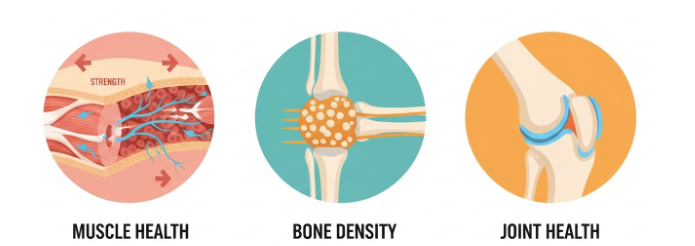
Healthy muscle maintenance combats sarcopenia, improving bone density helps weight-bearing movements and joint health improves with movement.
As we age, our bodies undergo natural physiological changes. The loss of muscle mass, known as sarcopenia, begins to accelerate after age 60, impacting your daily power and stability. Simultaneously, bone density decreases, increasing the risk of fractures. Joint health also changes as cartilage thins, leading to increased stiffness. Movement acts as the primary countermeasure to these shifts, signaling the body to maintain its structural integrity.
Combating Chronic Conditions: From Osteoporosis to Type 2 Diabetes
Physical activity is a powerful tool for managing chronic illness. Weight-bearing exercises are essential for mitigating osteoporosis by stimulating bone remodeling. Regular movement also regulates blood glucose levels, significantly reducing the risk or impact of Type 2 Diabetes. By staying active, you create an internal environment that is less hospitable to inflammation and chronic metabolic dysfunction.
The Impact of Exercise on Blood Pressure and Cardiovascular Health
Cardiovascular health is deeply tied to daily activity levels. Consistent aerobic movement keeps arteries flexible and lowers resting blood pressure. The World Health Organization recommends 150 minutes of moderate-intensity physical activity per week to preserve heart health. This doesn't require high-intensity training; even consistent, brisk walking yields profound long-term benefits for your vascular system.
Improving Sleep Quality and Mental Vitality through Physical Activity
Exercise does more than strengthen the body; it stabilizes the mind. Physical activity releases endorphins, which help manage stress and anxiety. Furthermore, regular movement helps regulate your circadian rhythm, leading to deeper, more restorative sleep, which is critical for cognitive function and emotional well-being.
Safety First: Assessing Your Readiness and Professional Guidance
When to Consult a Healthcare Provider: The Exercise Stress Test
Before beginning a new program, safety is paramount. If you have been inactive, consult your doctor to ensure you are ready for increased physical demands. A physician may suggest an exercise stress test to identify any underlying heart or lung issues, ensuring that your starting point is safe and appropriate for your current health status.
The Role of Registered Kinesiologists and Physiotherapists in Senior Fitness
For those dealing with specific pain or mobility hurdles, a Physiotherapist or a Registered Kinesiologist can provide a professional assessment. They offer personalized guidance and a safe, evidence-based referral pathway. Utilizing professional expertise ensures that your movement plan is tailored to your unique anatomical needs, preventing injuries before they start.
Understanding Functional Mobility vs. General Fitness
General fitness focuses on aesthetics or broad endurance, while functional mobility focuses on the ability to perform everyday tasks—such as rising from a chair, carrying groceries, or reaching overhead. Prioritizing functional mobility is the most effective way to ensure long-term independence and safe navigation of your daily environment.
Navigating Physical Limitations: Managing Frailty and Chronic Disability
Even with physical limitations, movement is possible. Adaptive programs allow individuals with chronic disability or frailty to improve muscle strength and range of motion safely. By working with certified instructors, you can modify any exercise to suit your current ability, ensuring that no physical barrier prevents you from achieving a healthier lifestyle.
Pillar 1: Building Strength to Maintain Independence
The Science of Sarcopenia: Why Muscle Strength Matters After 60
Muscle strength is the foundation of autonomy. Sarcopenia is not inevitable; it is largely preventable through dedicated resistance training. By challenging your muscles, you preserve the strength required to perform daily activities without fatigue.
Low-Impact Resistance Training: Using Resistance Bands and Light Weights
You do not need a commercial gym to build muscle. Resistance bands and light dumbbells are excellent tools for low-impact strength training. These exercises place minimal stress on your joints while effectively overloading the muscles to encourage growth and bone preservation.
Building Bone Density to Prevent Fractures and Manage Osteoporosis
Strength training is one of the few interventions that actively builds bone density. By applying controlled tension to the skeleton through resistance, you encourage your body to reinforce its bone structure, significantly lowering the risk of fractures and supporting better long-term health.
Functional Strength: Movements that Mirror Daily Living
Focus on movements that reflect your life. Squats mirror sitting and standing; overhead presses reflect placing items on high shelves. Training these patterns prepares your body for the physical realities of daily living.
Pillar 2: Mastering Balance and Coordination for Fall Prevention
The Connection Between Core Stability and Fall Prevention Education
Core stability acts as the anchor for your balance. Dedicated core work strengthens the muscles surrounding your spine and pelvis, providing a sturdy base that prevents you from losing your center of gravity.
Balance-Focused Exercises: From Heel-to-Toe Walks to Single-Leg Stands
Incorporate simple balance drills into your day. Practicing single-leg stands while holding onto a chair or performing heel-to-toe walking improves your proprioception—the body’s ability to sense its position in space—which is critical for preventing falls.
Tai Chi and Yoga: Ancient Practices for Modern Coordination
Tai Chi and Yoga are highly effective for older adults, as they combine slow, deliberate movement with deep breathing. These practices refine coordination and equilibrium, helping to settle the nervous system while improving your ability to navigate uneven terrain.
Strengthening the Lower Extremity to Ensure Steady Movement
Strong calves, quads, and glutes are your best defense against tripping. Strengthening your lower extremities ensures you have the power to recover your balance if you stumble, making every step you take significantly safer.
Pillar 3: Enhancing Mobility and Easing Joint Stiffness
Addressing Posture and Spinal Alignment
Good posture isn't just about appearance; it’s about mechanical efficiency. Aligning your spine reduces pressure on your joints and improves your breathing capacity, allowing for more fluid movement.
Dynamic Stretching vs. Static Stretching for Older Adults
Prioritize dynamic stretching—gentle, continuous movement—before activity to prime your muscles. Reserve static stretching for after your workout to help lengthen tissues and improve overall range of motion without over-taxing cold muscles.
The Benefits of Pilates for Range of Motion and Musculoskeletal Health
Pilates is exceptional for improving mobility. Its focus on controlled movement and alignment builds a supple, strong body, easing joint tension and promoting fluid motion that helps manage stiffness throughout the day.
Managing Joint Stiffness and Osteoarthritis through Gentle Movement
The mantra "motion is lotion" applies perfectly to arthritic joints. Gentle, consistent movement lubricates the joints and reduces the swelling associated with stiffness, making movement feel easier and more enjoyable over time.
Pillar 4: Boosting Cardiovascular Fitness and Stamina
Safe Aerobic Activities: Walking, Cycling, and Swimming
Choose aerobic activities that match your physical comfort. Walking is the most accessible, while swimming or cycling provide the benefits of cardio with zero impact on the joints. These activities build heart health and improve stamina.
Improving Exercise Capacity and Heart Health Without High Impact
You can significantly improve your exercise capacity without high-impact stress. By focusing on steady, consistent heart-rate elevation, you strengthen the heart muscle and improve blood circulation, which enhances your overall vitality.
Endurance Training: Building the Energy for an Active Social Life
Endurance isn't just for athletes; it’s for staying energized throughout your day. Building stamina allows you to engage in your community, keep up with friends and family, and maintain a vibrant, active social life without exhaustion.
What's Next?
You have now covered the four foundational pillars of senior health. You understand why muscle strength, balance, mobility, and cardiovascular health are essential for your independence. To implement this: first, consult your doctor for an assessment; second, start with home-based routines; and finally, look for registration opportunities for local exercise classes to enhance your social connection. Your movement journey is a lifelong commitment to your future self. Begin today by dedicating just 20 minutes to light, intentional movement.